Center for the Advancement and Study of Early Texas Art (CASETA)
By: Scott Chase
Published: July 7, 2025
Updated: July 7, 2025
Headquartered at the San Angelo Museum of Fine Arts, the Center for the Advancement and Study of Early Texas Art (CASETA) was formed in 2002 by several scholars, collectors, gallerists, and other devotees, most notably William Reaves, James Graham Baker, Bonnie Campbell, and Bill Cheek, to advance what they termed early Texas art. These founders had noticed an increasing interest in early Texas art and sought to provide an umbrella organization for focusing on the significance of such art in American art history. Early administrative support was received from the Texas A&M Research Foundation.
CASETA defined early Texas art as “art produced by artists who were born in and/or lived and worked in Texas through 40 years prior to the present date.” With this definition, the artists and works that are considered “early” are subject to constant update, moving forward in time. The works included in this definition encompass painting, drawing, printmaking, watercolor, photography, and sculpture. Its mission goes beyond collection of such art and seeks “to promote the preservation, study and appreciation of Texas visual arts and its history.”
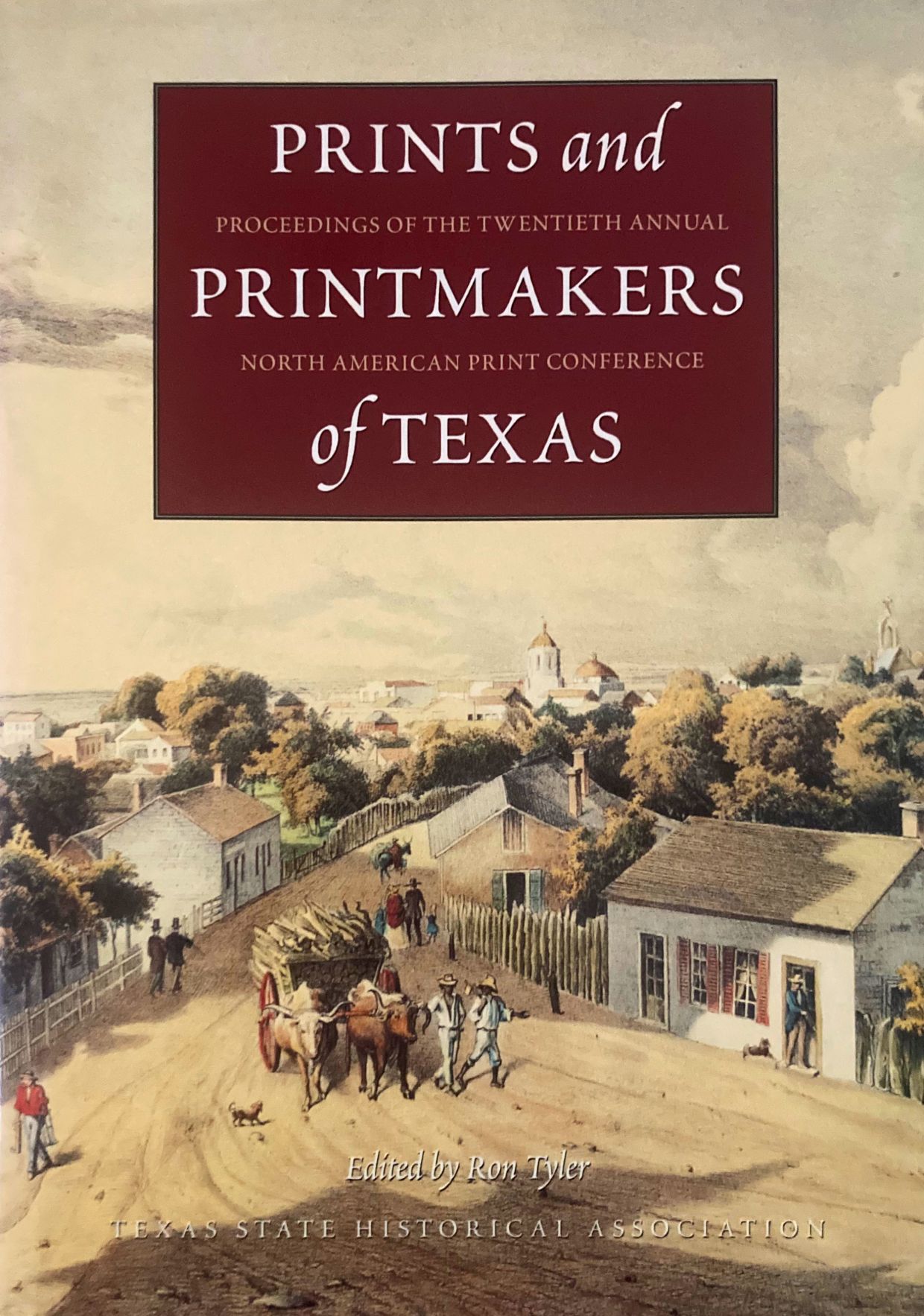
The primary way in which CASETA performs its mission is through its annual Symposium and Texas Art Fair. This symposium, the first of which was held in 2003, brings scholars, collectors, and dealers together. The event has been held in rotation among Dallas, Houston, Austin, San Antonio, and Fort Worth. The symposium has presented programs on many renowned Texas artists, groups, and topics, including Frank Reaugh, Alexandre Hogue, Jerry Bywaters, Dawson Dawson-Watson, John Biggers, Florence McClung, the Dallas Nine, and the Fort Worth Circle. Symposium topics have also included presentations on a variety of artistic media and genres, such as prints and printmakers, indigenous Texas rock art (see AMERICAN INDIAN ROCK ART), outsider art, and Spanish colonial art. Symposiums have included presentations about contemporary artists such as David Bates, Luis Jimenez, and James Surls, whose works are often more recent than forty years old.
Due to the COVID-19 pandemic, CASETA was not able to have its annual symposium in 2020 and was limited to a virtual program in 2021. During these two years, it continued its mission with its Great Texas Curatorial Wander series. Curators from several Texas museums, including the Panhandle Plains Historical Museum in Canyon, the Grace Museum in Abilene, and the Tyler Museum of Art, led CASETA members on virtual tours of works in their museums. CASETA has made video recordings of some symposium presentations since 2015, as well as its Great Texas Curatorial Wander series, freely available on its website.
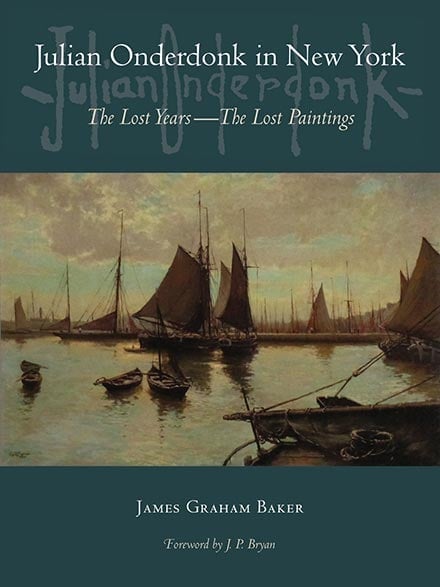
CASETA has published and contributed to several books on early Texas art, most notably Making the Unknown Known (2024), a book written by leading scholars which explores the significant role women artists played in developing early Texas art from the nineteenth century into the latter part of the twentieth century. The book was featured at the Texas State Historical Association’s 2025 Annual Meeting and has won numerous awards. In 2004 and 2005, in collaboration with the North Texas Institute for Educators on the Visual Arts at the University of North Texas, CASETA helped develop instructional materials on early Texas art for public school educators. Other publications to which CASETA has contributed include works celebrating the careers of such early Texas artists as Emma Richardson Cherry and E. M. “Buck” Schiwetz.
Bibliography:
Center for the Advancement & Study of Early Texas Art website (https://www.caseta.org/), accessed June 10, 2025.
Categories:
Time Periods:
Places:
The following, adapted from the Chicago Manual of Style, 15th edition, is the preferred citation for this entry.
Scott Chase, “Center for the Advancement and Study of Early Texas Art [CASETA],” Handbook of Texas Online, accessed March 09, 2026, https://www.tshaonline.org/handbook/entries/center-for-the-advancement-and-study-of-early-texas-art-caseta.
Published by the Texas State Historical Association.
TID:
KIC01
All copyrighted materials included within the Handbook of Texas Online are in accordance with Title 17 U.S.C. Section 107 related to Copyright and “Fair Use” for Non-Profit educational institutions, which permits the Texas State Historical Association (TSHA), to utilize copyrighted materials to further scholarship, education, and inform the public. The TSHA makes every effort to conform to the principles of fair use and to comply with copyright law.
For more information go to: http://www.law.cornell.edu/uscode/17/107.shtml
If you wish to use copyrighted material from this site for purposes of your own that go beyond fair use, you must obtain permission from the copyright owner.
- July 7, 2025
- July 7, 2025