Francis Lightfoot Lee: Pioneer of Texas Economic Development (1851–1914)
By: Steven W. Hooper
Published: May 27, 2025
Updated: May 27, 2025
Francis Lightfoot Lee, businessman, railroad builder, collector of customs at Galveston, and a key figure in the economic development of Texas, was born in St. Louis, Missouri, on March 16, 1851, to Archibald Kerr Lee and Mary Catherine (Thompson) Lee. A few years later, the family moved to Chicago where they lived until 1859 before coming to Texas. The family initially located in San Antonio but in 1862 relocated to Houston. By 1865 the family settled in Galveston where Lee remained until his death in 1914. Lee received his education at St. John’s College (present-day Fordham University) in Fordham, New York, and upon returning to Galveston was employed by Abraham P. Lufkin who was engaged in the cotton business. Lee advanced through the ranks of the Southern Cotton Press company to become the superintendent of transportation for the firm.
Lee formed a partnership in 1877 with Nathaniel Howard Ricker and founded the firm Ricker & Lee which engaged in several businesses, including the importation and roasting of coffee, the importation and distribution of tea, the manufacturing of baking powder, flavoring extracts, mustard, flour, and the sale of various spices. The company also supplied a wide variety of sundries and other items to grocers in Texas.
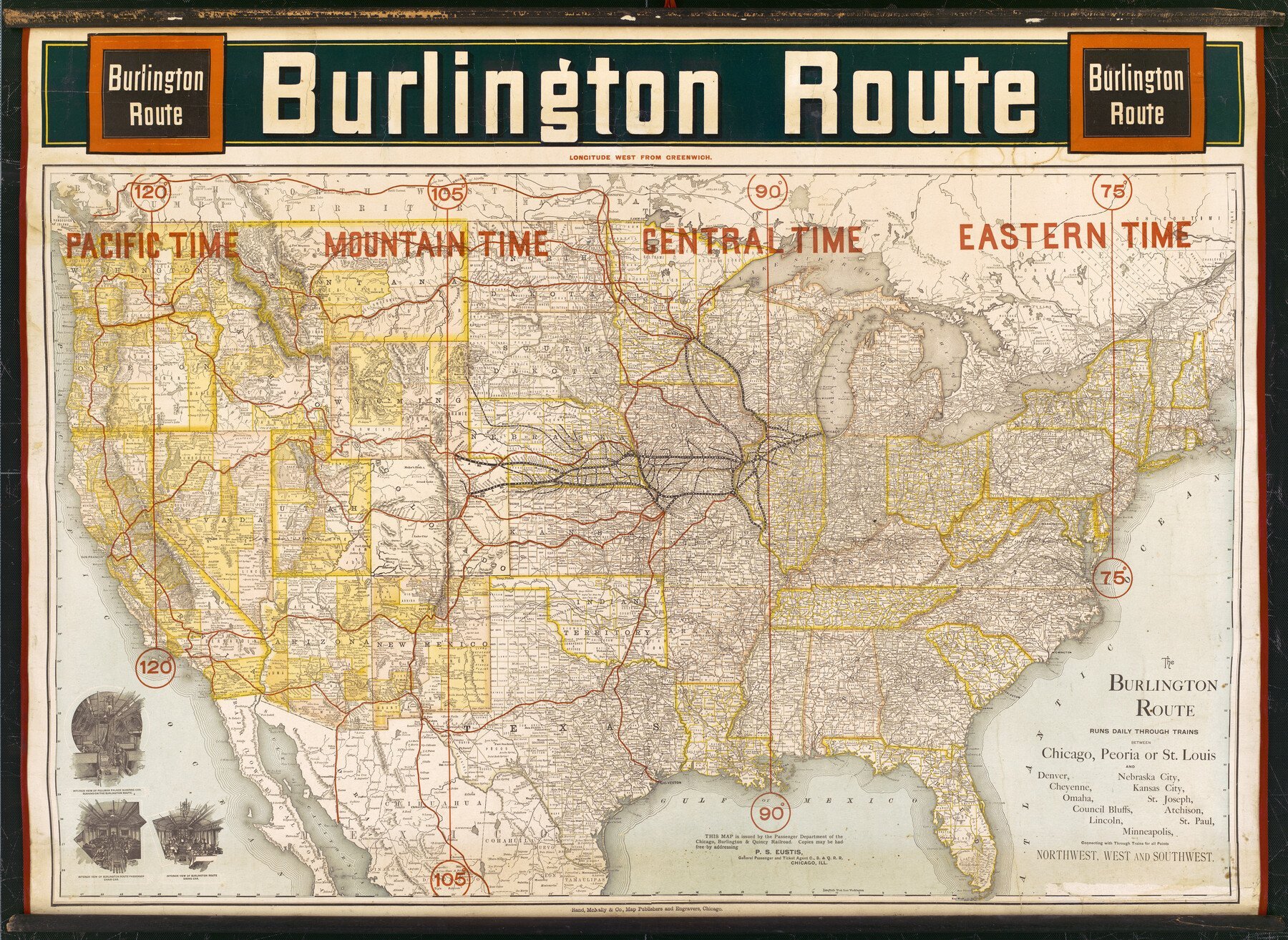
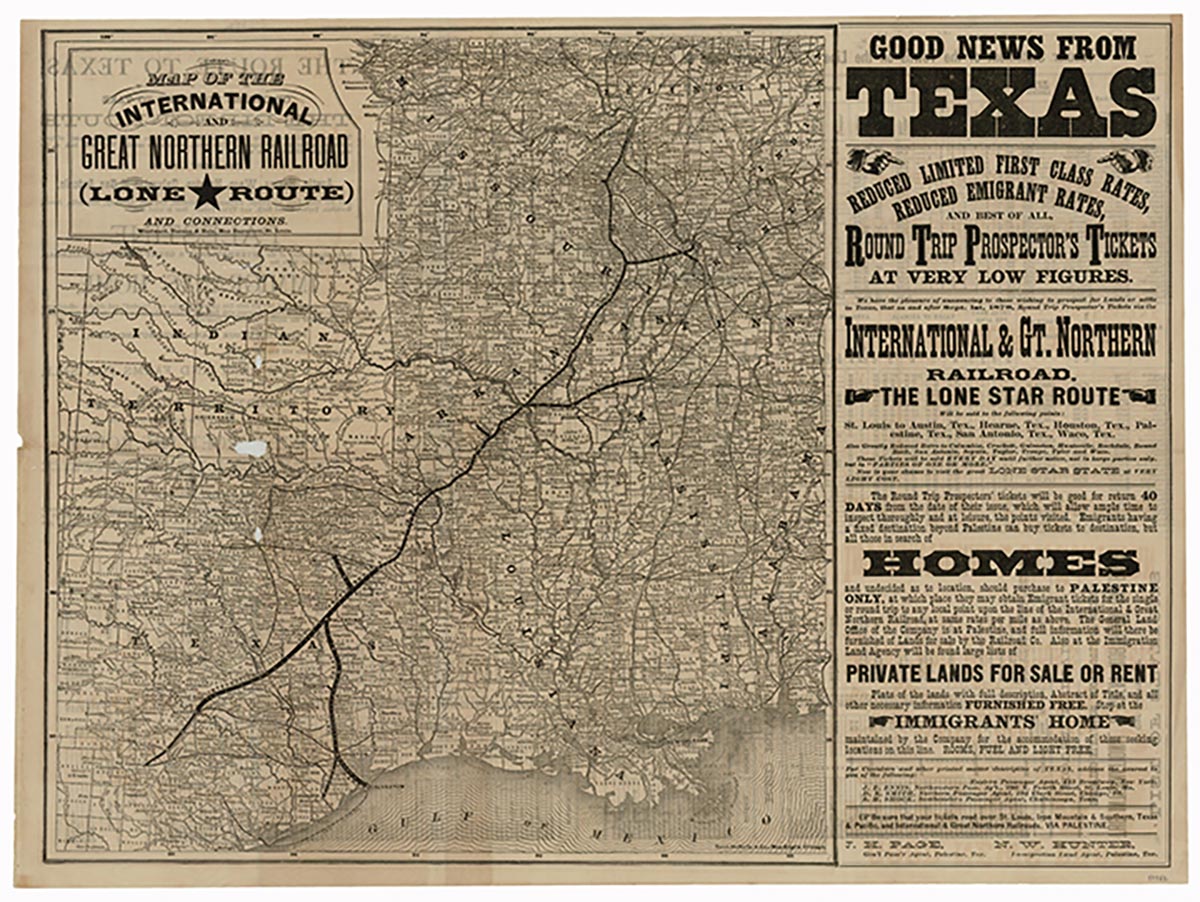
With the arrival of the railroads in Texas, the firm became involved in the construction of railroad tracks in the state and beyond. Under the name Ricker, Lee and Company, the firm graded and built almost all of the Gulf Coast and Santa Fe and Southern Pacific railroad lines in Texas. One of the firm’s major accomplishments was the grading and building of the footings for the Pecos High Bridge in Val Verde County, Texas, in 1891. According to the National Park Service, the bridge may be the “most famous of all the historic bridges in Texas” and in 1892 held the “distinction of being not only the highest bridge in the United States, but also…the third highest in the world.” The firm also did work on the Chicago Sanitary and Ship Canal in the late 1800s. Ricker and Lee initially received the contract to clean up the massive piles of debris left on Galveston Island after the Galveston Hurricane of 1900 but voluntarily withdrew from the contract, when, according to newspaper reports, “some dissatisfaction had been expressed.”
When the firm Ricker, Lee and Company was dissolved about the later 1890s, Lee founded the International Creosoting and Construction firm with factories in Texarkana, Beaumont, and Galveston. The firm supplied and installed many of the railroad ties on rail lines throughout the south, and Lee remained president of the enterprise until his death.
On March 20, 1898, Lee assumed the office of collector of customs for the port of Galveston per his appointment by President William McKinley. Lee served in this patronage position for sixteen years. In addition to McKinley, Lee served under presidents Theodore Roosevelt, William Howard Taft, and Woodrow Wilson until his term expired in March 1914. During his long tenure, Lee saw tremendous growth in both imports and exports at the port of Galveston. His reputation for managing the customhouse was reported to be “one of the best in the nation.” At the time of his appointment, the San Antonio Daily Light described Lee, a Republican, as “a quiet and modest man, always shrinking from display of any description, and his appointment meets with universal commendation in Galveston from members of all political parties.”
However, Lee’s administration was not without controversy. In 1898 he appointed three employees from the customs office without adhering to civil service regulations. Two of these employees were covered by civil service regulations and had to be selected from the civil service register, which meant they had to pass an exam to be considered for appointment. Since Collector Lee’s new appointees were not on the civil service list, the U.S. Treasury Department reprimanded Lee and ordered them removed and that Lee “fill their places with men in the classified civil service list who had passed the examination.”
Lee remained a lifelong bachelor. At the age of sixty-three he passed away from typhoid fever on June 9, 1914, at his home on Broadway in Galveston. He was interred at the Trinity Episcopal Cemetery in Galveston. At the time of his death, Lee was president of the People’s Loan and Building Association. He was also an active member of the Galveston Cotton Exchange, a trustee and director of the Rosenberg Library, and was a member of several social organizations, including the Garten Verein and the Aziola Club, a private literary club for men.
Bibliography:
Dallas Morning News, September 23, 24, 1900; June 10, 1914. Galveston Daily News, February 9, 1884. Houston Daily Post, June 10, 1914. New Orleans Daily Picayune, April 8, 1898. “The Pecos Viaduct,” Amistad National Recreation Area, National Park Service (https://www.nps.gov/amis/learn/historyculture/viaduct.htm), accessed May 25, 2025. San Antonio Daily Light, February 9, 1898. San Antonio Sunday Light, April 10, 1898.
Categories:
Time Periods:
Places:
The following, adapted from the Chicago Manual of Style, 15th edition, is the preferred citation for this entry.
Steven W. Hooper, “Lee, Francis Lightfoot,” Handbook of Texas Online, accessed March 09, 2026, https://www.tshaonline.org/handbook/entries/lee-francis-lightfoot.
Published by the Texas State Historical Association.
TID:
FLEFR
All copyrighted materials included within the Handbook of Texas Online are in accordance with Title 17 U.S.C. Section 107 related to Copyright and “Fair Use” for Non-Profit educational institutions, which permits the Texas State Historical Association (TSHA), to utilize copyrighted materials to further scholarship, education, and inform the public. The TSHA makes every effort to conform to the principles of fair use and to comply with copyright law.
For more information go to: http://www.law.cornell.edu/uscode/17/107.shtml
If you wish to use copyrighted material from this site for purposes of your own that go beyond fair use, you must obtain permission from the copyright owner.
- May 27, 2025
- May 27, 2025